Why Charcoal Grilling Matters in Middle Eastern Cuisine: Flavor You Can Taste
- retajmiddleeastern1
- Feb 24
- 6 min read
By Reetaj Middle Eastern Restaurant – Oshawa, ON
When you walk into Reetaj Middle Eastern Restaurant in Oshawa, one of the first things you may notice is the aroma. It is warm, smoky, and deeply inviting. That scent comes from one timeless cooking method: charcoal grilling.
In Middle Eastern cuisine, charcoal is not just a way to cook food. Instead, it is a tradition, a flavor enhancer, and a cultural symbol. While modern kitchens often use gas or electric grills for convenience, charcoal grilling remains at the heart of authentic Middle Eastern food. But why does it matter so much? And what makes it different?
Let’s explore the history, science, and flavor behind charcoal grilling—and why you can truly taste the difference.
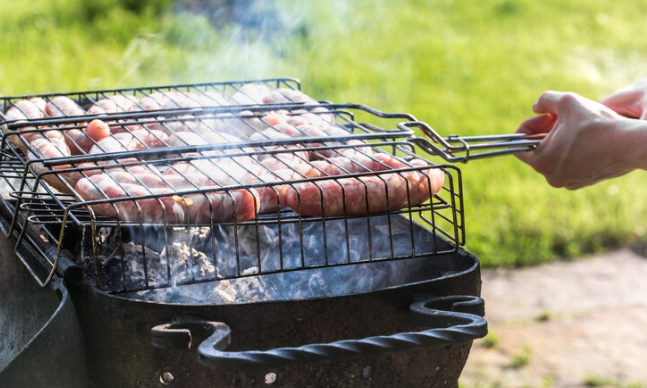
The Deep Roots of Charcoal Grilling in Middle Eastern Culture
Charcoal grilling has been part of Middle Eastern life for centuries. Long before modern ovens and stovetops existed, families gathered around open flames to prepare meals. In fact, fire cooking was not only practical but also social.
Across countries like Lebanon, Turkey, Syria, and Iran, grilling over charcoal became a daily tradition. It was common to see skewers of marinated meat slowly turning over glowing embers. Families would gather outdoors, talk, laugh, and wait for the perfect char.
As a result, charcoal grilling became more than cooking—it became part of hospitality and celebration.
Even today, when you enjoy grilled kebabs or shawarma, you are tasting a method passed down through generations.
Charcoal vs. Gas: What’s the Real Difference?
At first glance, charcoal and gas grills may seem similar. Both use heat to cook food. However, the source of heat changes everything.
1. Flavor Development
Charcoal produces natural smoke as it burns. That smoke rises and wraps around the food, adding layers of flavor. Gas grills, on the other hand, burn cleaner and produce less smoke.
Therefore, charcoal creates a richer, smokier taste that cannot be easily replicated.
2. High Heat Capability
Charcoal can reach very high temperatures. This is important because Middle Eastern cuisine often relies on quick, intense heat to sear meat while keeping it juicy inside.
For example, dishes like:
Shish kebab
Kofta
Chicken shawarma
require a strong initial sear. That sear locks in juices and creates a slightly crispy exterior.
3. Authentic Aroma
Charcoal produces a distinct smell that immediately signals “real grilled food.” When you dine at Reetaj Middle Eastern Restaurant, the aroma alone tells you something special is happening in the kitchen.
The Science Behind the Flavor
Charcoal grilling is not only traditional—it is also scientific.
When meat hits high heat, a reaction called the Maillard reaction occurs. This reaction happens when proteins and sugars in food combine under high temperatures. As a result, the meat develops a brown crust and complex flavors.
Because charcoal burns hotter than many gas grills, it enhances this reaction. Furthermore, when juices drip onto the hot coals, they create small bursts of smoke that rise back up into the meat. This process adds even more depth to the taste.
In simple terms: charcoal creates layers of flavor that you can actually taste in every bite.
Why Marinades and Charcoal Work Perfectly Together
Middle Eastern cuisine is known for its bold spices and marinades. Ingredients like garlic, lemon, olive oil, cumin, paprika, and yogurt are often used to prepare meat before grilling.
However, marinade alone is not enough.
When marinated meat is placed over charcoal, the sugars and spices caramelize beautifully. As a result:
The outside becomes slightly crispy.
The inside stays juicy.
The spices become more intense and aromatic.
For instance, when we prepare Kebab at Reetaj Middle Eastern Restaurant, the marinade absorbs into the meat for hours. Then, charcoal heat transforms those flavors into something unforgettable.
Texture: The Hidden Advantage of Charcoal Grilling
Flavor is important. However, texture is just as critical.
Charcoal grilling creates:
A slightly crisp outer layer
Tender and juicy interior
Light charring that adds complexity
That subtle char is especially important in Middle Eastern cooking. It adds contrast to soft dishes like rice, hummus, and pita bread.
Without charcoal, the meat may taste good—but it often lacks that authentic grilled texture.
The Emotional Connection to Fire Cooking
Food is not just about taste. It is about memory and feeling.
Across the Middle East, charcoal grilling often happens during family gatherings, religious celebrations, and weekend get-togethers. The smell of smoke in the air brings people together.
Even here in Oshawa, many members of the Middle Eastern community seek that familiar flavor. It reminds them of home.
At Reetaj Middle Eastern Restaurant, we believe food should comfort you. Therefore, we choose charcoal grilling not just for taste—but also for authenticity.
Health Considerations: Is Charcoal Grilling Safe?
Some people worry about charcoal grilling and health. However, when done properly, it is both safe and delicious.
Here’s why:
We use high-quality natural charcoal.
We control cooking times carefully.
We avoid over-charring.
We cook meats at proper temperatures.
Moreover, Middle Eastern cuisine includes plenty of fresh vegetables, salads, and herbs. For example, grilled vegetables over charcoal develop a smoky sweetness that pairs beautifully with lighter dishes.
Balance is key.
Charcoal and Vegetables: Not Just for Meat
Although meat often gets the spotlight, vegetables also benefit greatly from charcoal grilling.
Bell peppers, eggplant, onions, and tomatoes become sweeter and more flavorful when grilled over open flame. The slight charring adds depth that roasting alone cannot provide.
This is especially important in dishes inspired by traditional Middle Eastern cooking styles from Jordan and Palestine, where grilled vegetables are essential components of many meals.
Why Authentic Restaurants Still Choose Charcoal
In today’s fast-paced restaurant industry, gas grills are easier and faster. So why do some restaurants still choose charcoal?
Because authenticity matters.
At Reetaj Middle Eastern Restaurant in Oshawa, we believe our guests deserve the real experience. While charcoal requires more attention and skill, the results are worth it.
You taste:
Smokiness
Depth
Juiciness
Traditional character
In contrast, gas grilling may be convenient—but it often lacks soul.
The Community Experience in Oshawa
Oshawa is a diverse and growing city. Many families look for authentic global flavors. Middle Eastern cuisine, in particular, has become increasingly popular in Ontario.
When guests visit Reetaj Middle Eastern Restaurant, they are not only enjoying a meal. They are experiencing a cooking tradition that has survived centuries.
Furthermore, charcoal grilling creates a sensory experience—sight, smell, and taste all working together.
Sustainability and Quality Ingredients
Quality charcoal grilling also depends on quality ingredients.
We carefully select fresh meats, herbs, and vegetables. Because charcoal highlights natural flavors, there is no place to hide poor-quality ingredients.
Therefore, we focus on:
Fresh chicken and beef
Authentic spice blends
Freshly baked bread
Locally sourced produce when possible
When everything works together, charcoal grilling becomes the final touch that brings the dish to life.
The Final Taste Test: Can You Really Tell the Difference?
Yes, you can.
If you compare charcoal-grilled kebab with gas-grilled meat side by side, you will likely notice:
Deeper smoky aroma
More intense outer crust
Slight caramelized edges
Richer overall flavor
Even first-time diners often say, “This tastes different.”
That difference is charcoal.
Why It Matters for Middle Eastern Cuisine
Middle Eastern food is built on balance:
Spice and freshness
Smoke and citrus
Tenderness and char
Without charcoal, part of that balance disappears.
Charcoal grilling completes the dish. It enhances marinade, strengthens aroma, and creates authentic texture. In other words, it delivers the full experience.
That is why charcoal grilling is not optional in traditional Middle Eastern cuisine—it is essential.
5 Frequently Asked Questions (FAQs)
1. Why does charcoal-grilled meat taste better?
Charcoal produces natural smoke and higher heat, which enhances flavor through caramelization and the Maillard reaction.
2. Is charcoal grilling healthier than gas grilling?
Both can be healthy when done properly. At Reetaj Middle Eastern Restaurant, we use controlled heat and avoid over-charring.
3. Does charcoal change the texture of kebabs?
Yes. It creates a slightly crisp exterior while keeping the inside juicy and tender.
4. Why is smoky flavor important in Middle Eastern cuisine?
Smoky flavor adds authenticity and depth, especially to kebabs, shawarma, and grilled vegetables.
5. Can vegetables benefit from charcoal grilling?
Absolutely. Charcoal enhances natural sweetness and adds a subtle smoky taste to vegetables.
Experience Authentic Charcoal Flavor in Oshawa
If you are looking for true Middle Eastern flavor in Oshawa, charcoal grilling makes all the difference.
At Reetaj Middle Eastern Restaurant, we honor tradition while serving our community with pride. Every skewer, every grill mark, and every smoky aroma reflects centuries of culinary history.
Because in Middle Eastern cuisine, charcoal is not just heat.
It is flavor you can taste.
Contact Us Best Restaurant in Oshawa
Name: Reetaj Middle Eastern Restaurant
Address:7 Nassau St, Oshawa, ON L1J 4A3, Canada
Phone Number: +1 289-240-1515
Visit our website: Click here
Find Us On Map: View On Google Map
More Details: Click Now
View More: Click here


Comments